5G NSA vs SA : understanding the two deployment modes
Contents
5G comes in two modes : NSA (Non-Standalone) which reuses the existing 4G LTE network, and SA (Standalone) which operates fully standalone with a dedicated core network. The difference is invisible to the average user but determines the real 5G performance.
This guide explains both modes, their respective advantages and how to check the compatibility of your equipment (smartphone, 5G CPE, MiFi).
What is 5G NSA ?
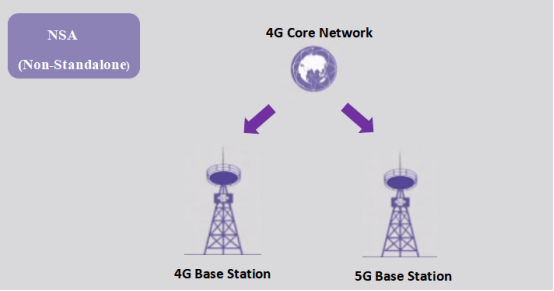
NSA = Non-Standalone (not autonomous). It is a hybrid mode : 5G uses the 5G NR (New Radio) antennas for the radio, but relies on the existing 4G EPC core network for signalling, authentication and session management.
Characteristics :
- Architecture : 1 core network (4G EPC) ↔ 2 radio stations (4G eNB + 5G gNB)
- Advantage : fast, cost-effective deployment (reuses the existing network)
- Performance : 5G bandwidth but latency and features limited by the 4G EPC
- Standard : 3GPP Release 15 (2018)
All the first commercial 5G deployments worldwide (2019-2021) used NSA mode. It is the fastest path for operators.
What is 5G SA ?
SA = Standalone (autonomous). 5G SA operates end to end in pure 5G : new 5G NR radio + new 5GC (5G Core) core network, with no dependency on the 4G network.
Characteristics :
- Architecture : 1 core network (5GC) ↔ 1 radio station (5G gNB)
- Advantage : ultra-low latency, network slicing, full 5G
- Performance : all 5G benefits unlocked (URLLC, mMTC, eMBB)
- Standard : 3GPP Release 16 (2020)
A simple analogy to understand
School image : NSA vs SA
Imagine 2 classes (4G and 5G) in a school :
- NSA mode : a single teacher (4G core network) handles both classes. Cost-effective but the teacher is overloaded and cannot attend closely to each pupil.
- SA mode : 2 dedicated teachers (4G core + 5G core). More expensive but each class gets full attention and fine-grained management.
The teacher = core network, the classes = radio stations (4G eNB and 5G gNB).
Advantages of 5G NSA
- Fast deployment — reuses the existing 4G LTE antennas (software updates)
- Investment savings — no need to replace the 4G EPC core network
- Broad compatibility — works with the first 5G smartphones
- Extended coverage — benefits from the existing 4G coverage (95%+ of French territory)
- Gradual migration — allows 5G to be tested before the SA investment
Advantages of 5G SA
- Ultra-low latency — < 1 ms in URLLC (Ultra-Reliable Low-Latency Communication)
- Maximum throughput — full 5G end-to-end, not throttled by the 4G EPC
- Network slicing — partitioning the network for different uses (industrial, gaming, IoT)
- mMTC (massive Machine Type Communications) — supports 1 million connected objects/km²
- VoNR (Voice over NR) — native 5G voice without falling back to 4G
- 6G readiness — future-proof architecture
NSA vs SA comparison
| Criterion | 5G NSA | 5G SA |
|---|---|---|
| Core network | 4G EPC (reused) | 5G Core (new) |
| Radio stations | 4G eNB + 5G gNB | 5G gNB only |
| 3GPP standard | Release 15 (2018) | Release 16 (2020) |
| Latency | 10-20 ms | < 1-5 ms (URLLC) |
| Theoretical max throughput | 2 Gbps | 10+ Gbps |
| Network slicing | No | Yes |
| VoNR (native 5G voice) | No (VoLTE) | Yes |
| mMTC (massive IoT) | Limited | 1M objects/km² |
| Operator deployment cost | Low-moderate | High |
| France coverage 2026 | ~80% of population | ~30-40% (rapid growth) |
Which mode for which use ?
NSA is suitable for :
- Standard consumer smartphone use (web, video, social media)
- First operator deployments (smooth transition)
- Suburban and rural areas
- Gradual migration from 4G
SA is necessary for :
- Industry 4.0 : connected factory, robotics, AR/VR
- Autonomous vehicles : latency < 1 ms critical
- Telemedicine : remote surgery, real-time diagnosis
- Massive smart city : urban sensors, streetlights, parking
- Cloud gaming : maximum responsiveness
- Enterprise network slicing : guaranteed dedicated SLA
Hardware compatibility
When buying 5G equipment (smartphone, CPE, MiFi), check NSA + SA compatibility. The first 5G smartphones (2019-2020) supported NSA only. Today, most new models support both modes simultaneously.
Fibre infrastructure needed for 5G
Whatever the mode (NSA or SA), 5G requires massive amounts of optical fibre for base station backhaul :
- 5G fronthaul : 10-25 Gbps per antenna via dedicated fibre (FTTA)
- Backhaul : 100 Gbps+ to aggregate several antennas
- Edge computing : local servers connected by fibre for low latency
Elfcam components for 5G infrastructure
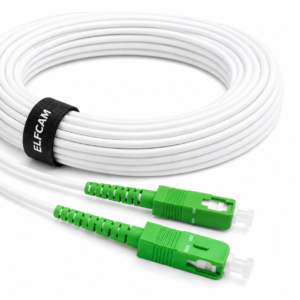
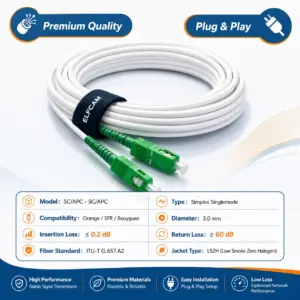
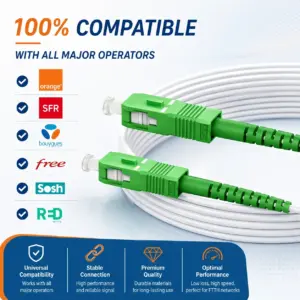
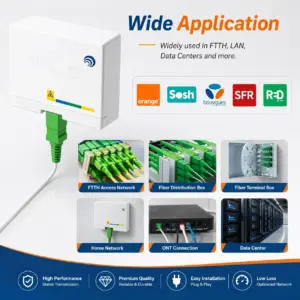
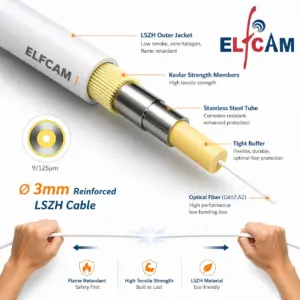
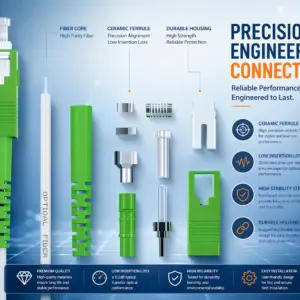
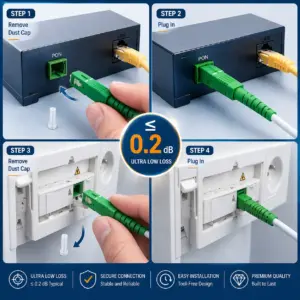
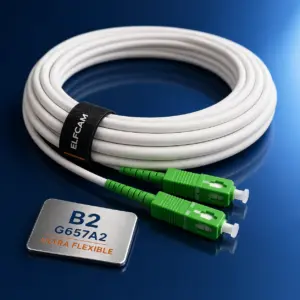
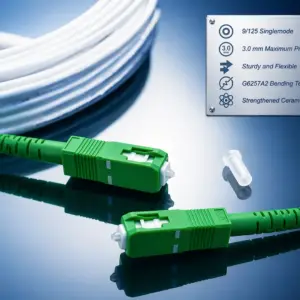
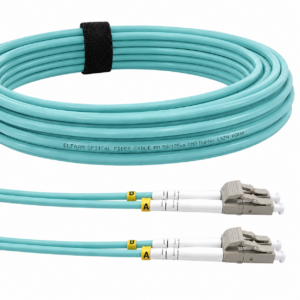
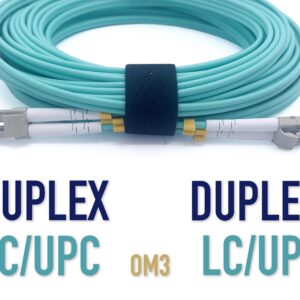
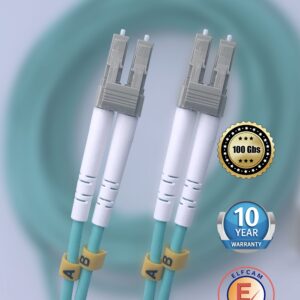
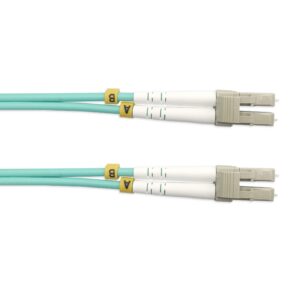
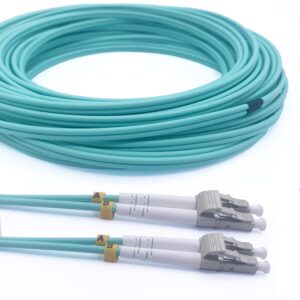
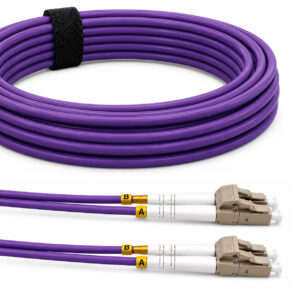
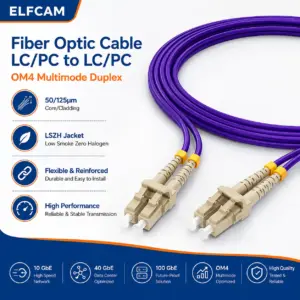
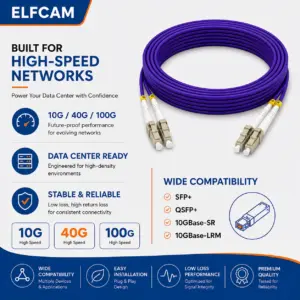
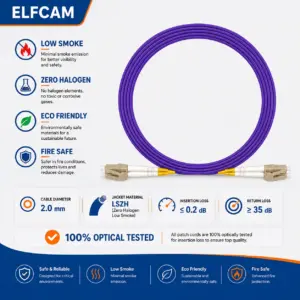
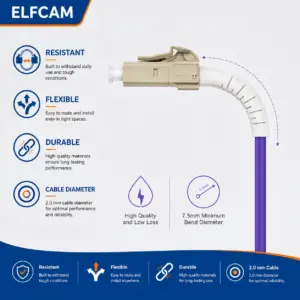
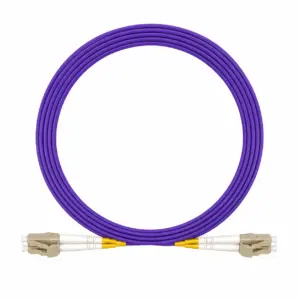
- OS2 fibre cables and SC/APC patch cords for FTTA
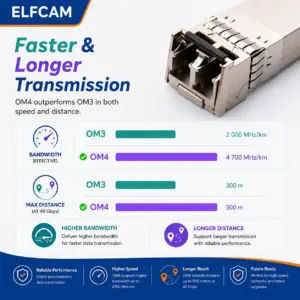
- SFP+/SFP28 modules 10G/25G for antenna backhaul
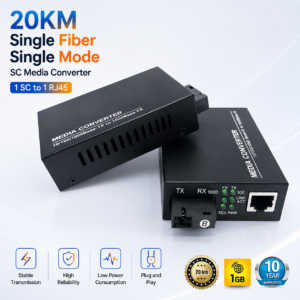
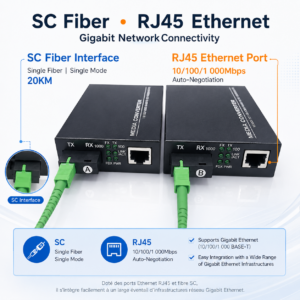
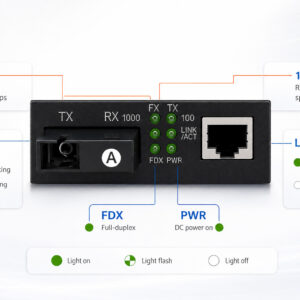
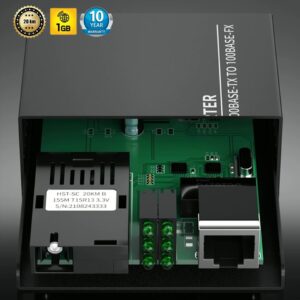
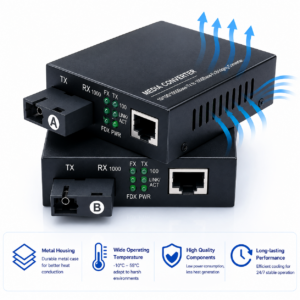
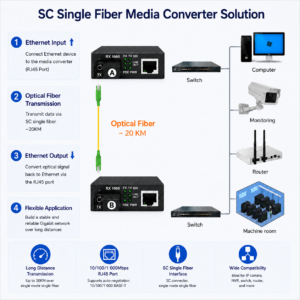
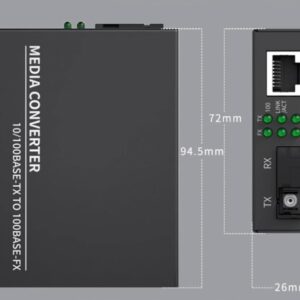
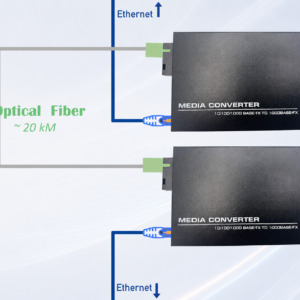
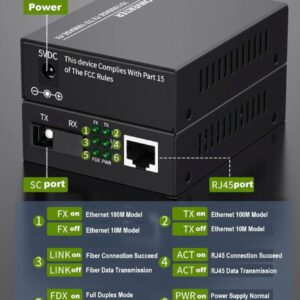
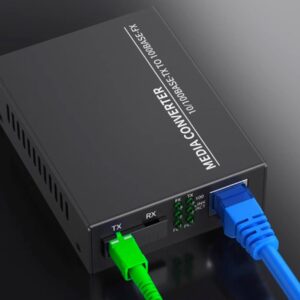
- Fibre/Ethernet converters for edge computing
- Armoured outdoor cables for urban deployment




FAQ — 5G NSA vs SA
1Which 5G mode do French operators use ?
- NSA dominant in 2026 (~80% of coverage)
- SA actively deployed in major metropolitan areas since 2023
2Does my 5G smartphone support SA ?
3Does SA really improve my speed ?
- Competitive gaming (responsiveness)
- Real-time applications (HD video calls, AR/VR)
- Massive simultaneous connections (crowded areas)
4What exactly is network slicing ?
5Why don't all operators switch to SA right away ?
- Cost : deploying a new 5GC core + compatible equipment = 100+ M€ per operator
- Ecosystem maturity : not all smartphones were SA in 2020-2022
- Service continuity : NSA allows a smooth transition without breaking 4G
6What fibre infrastructure for 5G ?
- Fronthaul : each 5G antenna requires 10-25 Gbps of dedicated fibre
- Backhaul : 100+ Gbps to aggregate the antennas towards the core network
- Edge computing : local servers connected by fibre for URLLC latency
75G mmWave and SA, what's the connection ?
8Where to buy hardware for 5G infrastructure ?
In summary
5G NSA reuses the 4G core : fast, cost-effective deployment, but limited. 5G SA is full 5G : latency < 1 ms, network slicing, future-proof. The NSA → SA transition is happening gradually across all operators through to 2027-2030.
For 5G fibre infrastructure (fronthaul/backhaul), see our OS2 fibre cable range and SFP+/SFP28 modules.