Fibre Couplers, PLC Splitters & Pigtails — France Stock, 24h Shipping
Preparing an FTTH project or a network extension? All the passive fibre optic components you need — couplers (adapters), PLC splitters, pigtails and termination boxes — with SC/APC, SC/UPC, LC, FC, ST connectors. In stock and delivered within 24h across mainland France.
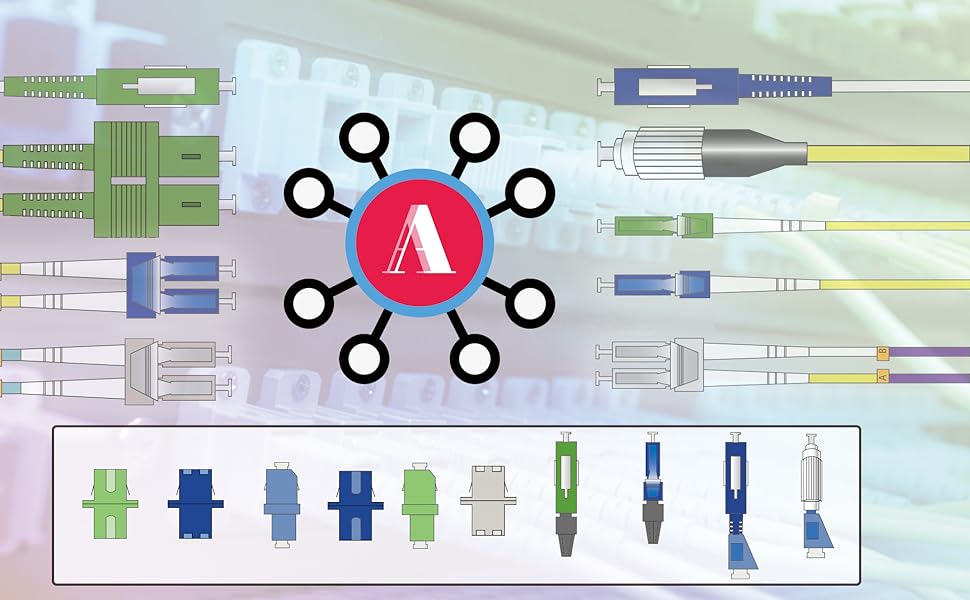
Choosing the right fibre optic component
Each passive component plays a specific role in the fibre chain. Identify your need in 30 seconds.
What do you need on site?
Two fibre cables with identical or different connectors → Coupler (fibre optic adapter)
One signal to 2, 4, 8 or 16 outputs (FTTH, PON) → PLC splitter
Add an SC/LC connector to a bare fibre after fusion splicing → Fibre optic pigtail
Group splices, protect fibres in an enclosure → Termination box
Logical chain of a fibre installation
The PLC splitter is inserted upstream when you need to distribute the signal to multiple subscribers or service points.
See also: Fibre optic cables • SFP/SFP+ modules • Cabinets & racks • LC/UPC 12-fibre pigtail
Fibre optic couplers (adapters)
Connect two identical or different fibre connectors. Zirconia ceramic sleeve, insertion loss < 0.2 dB, panel mount or wall feedthrough.
Why technicians choose Elfcam
- Zirconia ceramic alignment: precise alignment of fibre cores, repeatable over > 1000 insertions.
- Ultra-low insertion loss: < 0.2 dB typical — no surprises at acceptance testing.
- All connectors: SC/APC, SC/UPC, LC/UPC, LC/APC, FC, ST — simplex and duplex.
- Universal mounting: compatible with patch panels, wall boxes and 19" trays.
- Pro packaging: packs of 5, 10, 20 pieces for site work.
Available coupler types
- SC/APC → SC/APC
- SC/UPC → SC/UPC
- LC/UPC → LC/UPC
- FC → FC
- ST → ST
- LC duplex
- SC/APC → LC/UPC (hybrid)
- Packs of 5/10/20 pieces
Products — Fibre optic couplers
-
Promo !
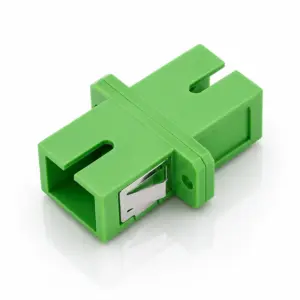
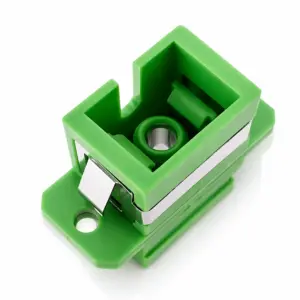

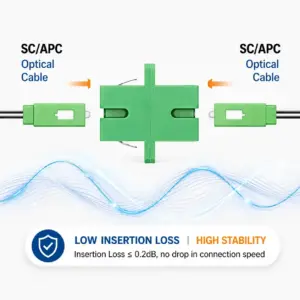
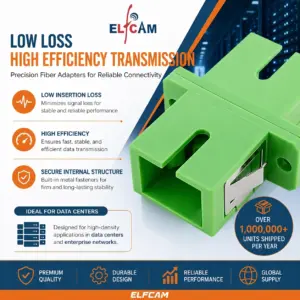
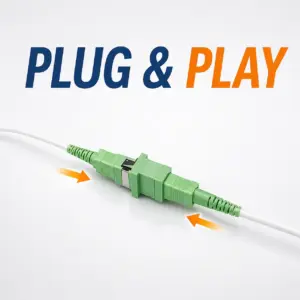
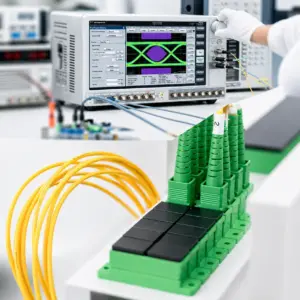
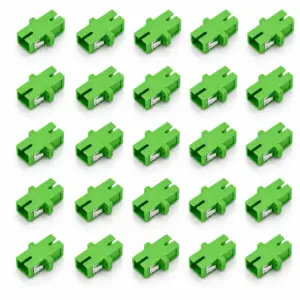
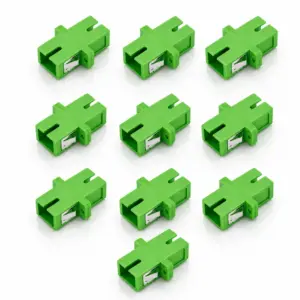
Les Adaptateurs SC-SC APC Monomode(Ref:485)
32 comments Lot 1 – Lot 25 Le prix initial était : 5,99 €.4,99 €Le prix actuel est : 4,99 €. + Ce produit a plusieurs variations. Les options peuvent être choisies sur la page du produit -
Promo !

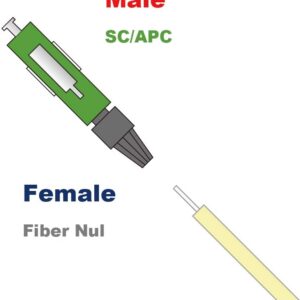
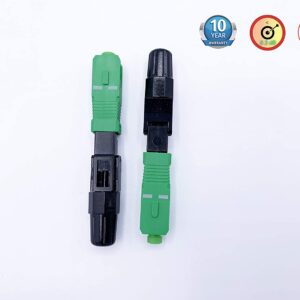
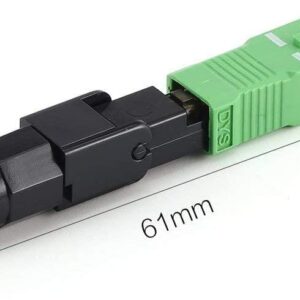
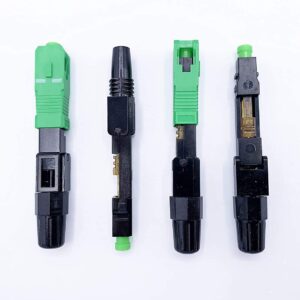
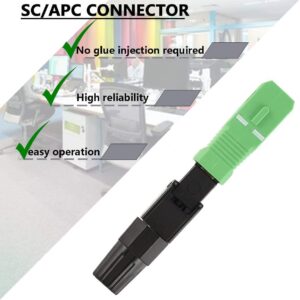
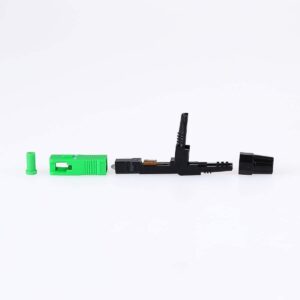
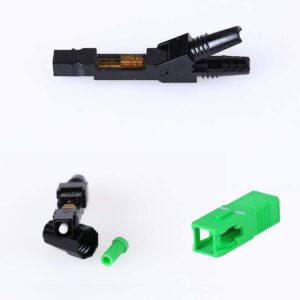
Connecteur Rapide Fibre Optique SC/APC Monomode Simplex (Ref:2395)
22 comments Lot 1 – Lot 10 Le prix initial était : 4,99 €.3,99 €Le prix actuel est : 3,99 €. + Ce produit a plusieurs variations. Les options peuvent être choisies sur la page du produit -
Promo !

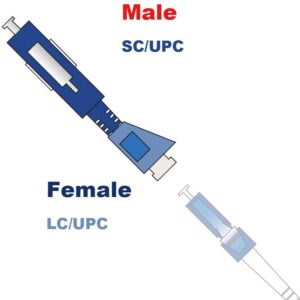
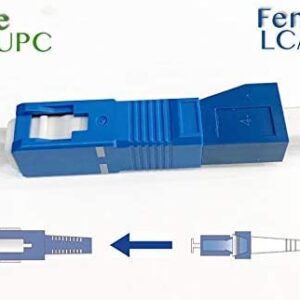
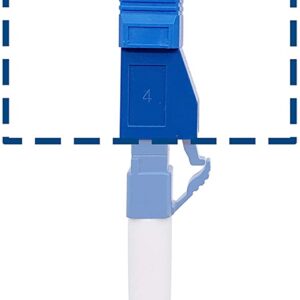
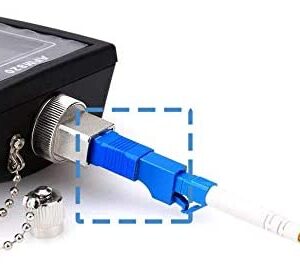
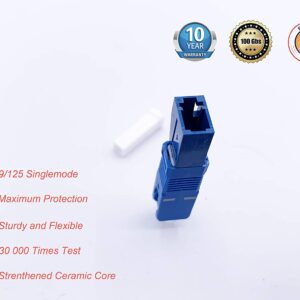
Les Adaptateurs SC-LC UPC Monomode (Ref:2417)
24 comments Lot 1 Le prix initial était : 11,99 €.5,99 €Le prix actuel est : 5,99 €. + Ce produit a plusieurs variations. Les options peuvent être choisies sur la page du produit -

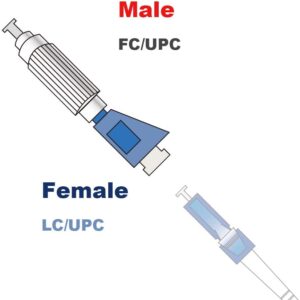
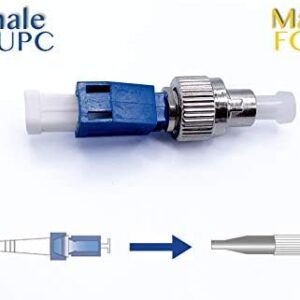
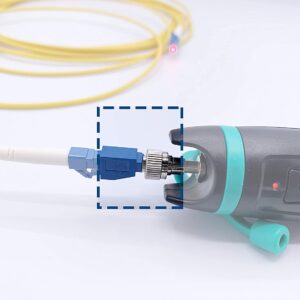
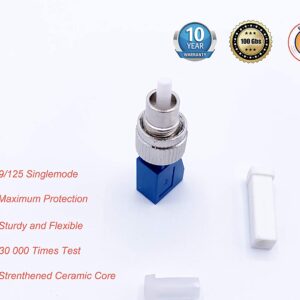
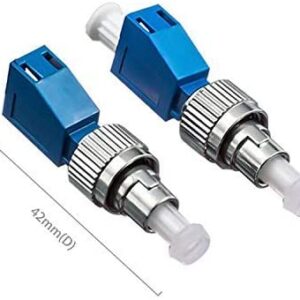
Les Adaptateurs FC-LC UPC Monomode (Ref:2406)
18 comments Lot 1 – Lot 5 7,80 € + Ce produit a plusieurs variations. Les options peuvent être choisies sur la page du produit -
Promo !

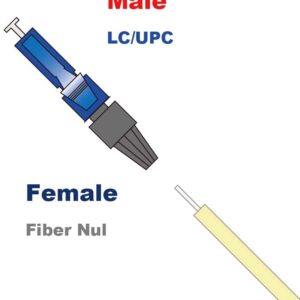
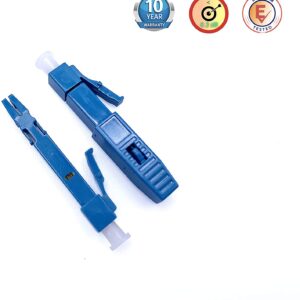
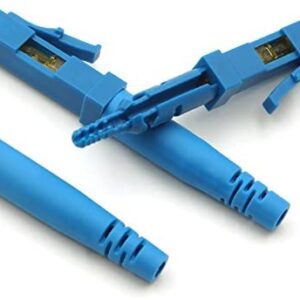
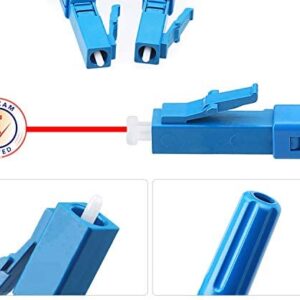
Connecteur Rapide Fibre Optique LC/UPC Monomode Simplex (Ref:2387)
12 comments Lot 10 – Lot 5 Le prix initial était : 18,99 €.17,49 €Le prix actuel est : 17,49 €. + Ce produit a plusieurs variations. Les options peuvent être choisies sur la page du produit -
Promo !

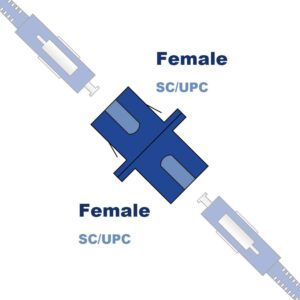
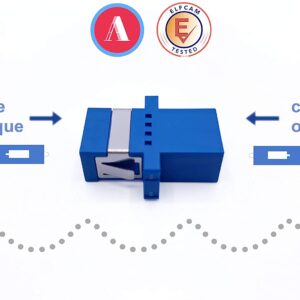
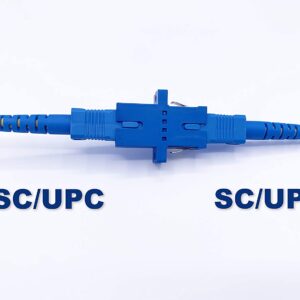
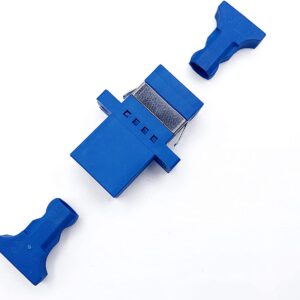

Les Adaptateurs SC-SC UPC Monomode (Ref:2425)
5 comments Lot 1 – Lot 5 Le prix initial était : 10,99 €.4,99 €Le prix actuel est : 4,99 €. + Ce produit a plusieurs variations. Les options peuvent être choisies sur la page du produit -

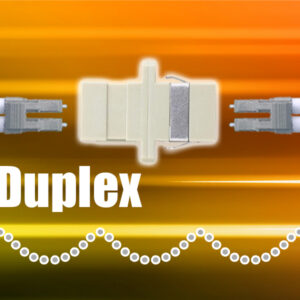
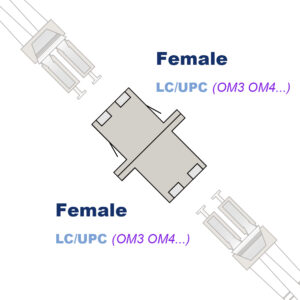


Les Adaptateurs LC-LC UPC, Multimode Duplex (Ref:551)
9 comments Lot 5 – Lot 25 14,99 € + Ce produit a plusieurs variations. Les options peuvent être choisies sur la page du produit -
Promo !

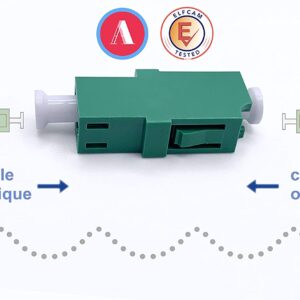
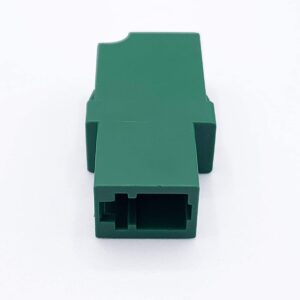
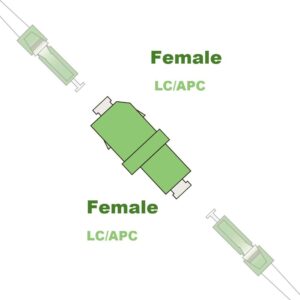
Les Adaptateurs LC-LC APC Monomode Simplex (Ref:2379)
3 comments Lot 1 – Lot 10 Le prix initial était : 19,99 €.6,49 €Le prix actuel est : 6,49 €. + Ce produit a plusieurs variations. Les options peuvent être choisies sur la page du produit -
Promo !

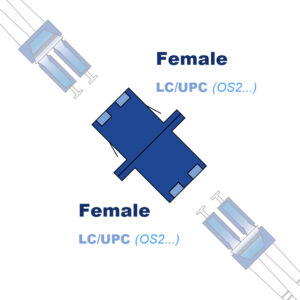
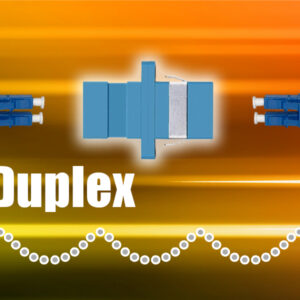
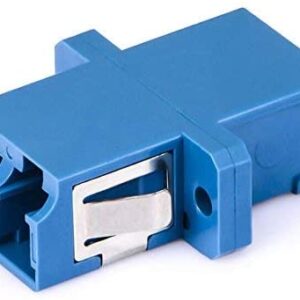
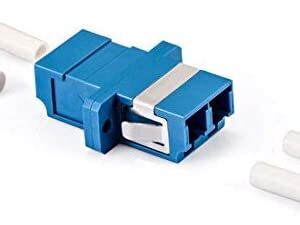
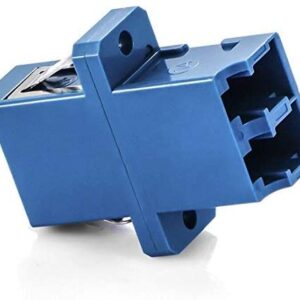
Les Adaptateurs LC-LC UPC Duplex (Ref:555) (goods_code: Adaptateur-Duplex-LC/UPC-LC/UPC)
2 comments Lot 5 – Lot 25 Le prix initial était : 20,99 €.19,99 €Le prix actuel est : 19,99 €. + Ce produit a plusieurs variations. Les options peuvent être choisies sur la page du produit -
Promo !

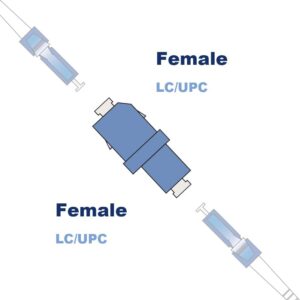
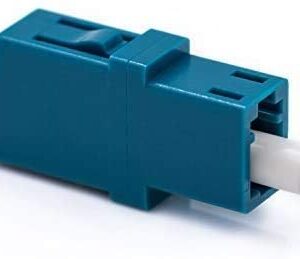
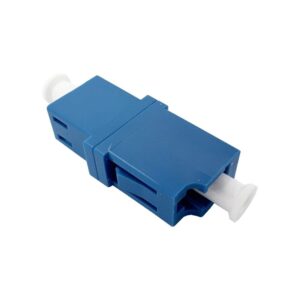
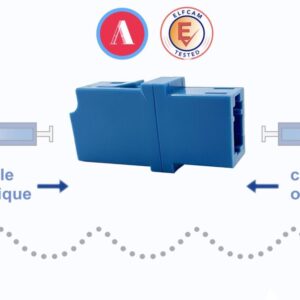
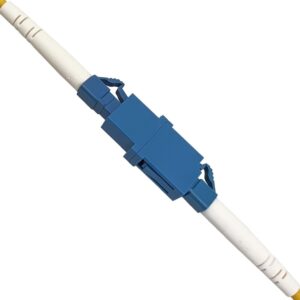
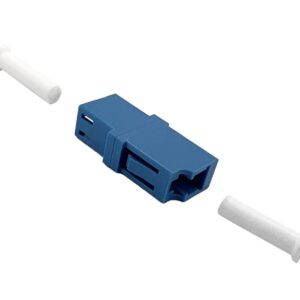
Les Adaptateurs LC-LC UPC Monomode (Ref:2434)
5 comments Lot 1 – Lot 10 Le prix initial était : 10,99 €.9,99 €Le prix actuel est : 9,99 €. + Ce produit a plusieurs variations. Les options peuvent être choisies sur la page du produit -
Promo !

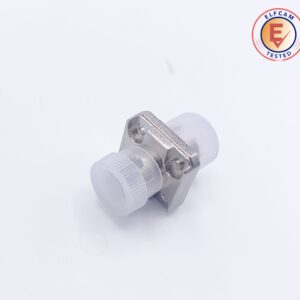
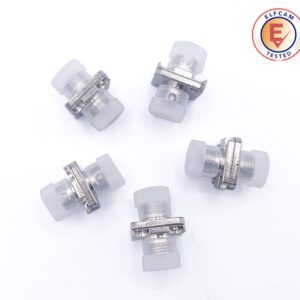
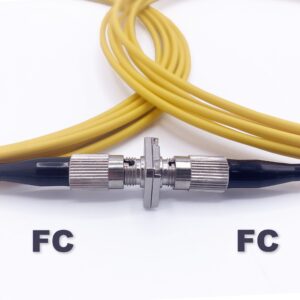
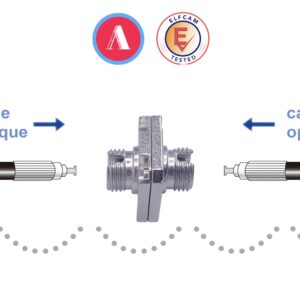
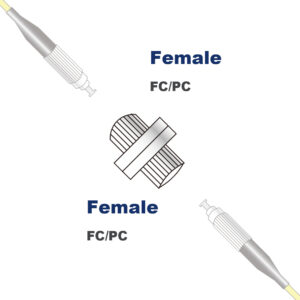
Adapteur/Connecteur pour fibres optiques (Lot de 5, FC-FC UPC Monomode) (Ref:6477)
4 comments Lot 5 Le prix initial était : 19,99 €.17,99 €Le prix actuel est : 17,99 €. + Ce produit a plusieurs variations. Les options peuvent être choisies sur la page du produit -
Promo !

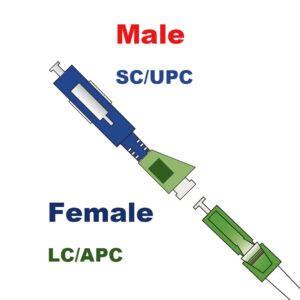
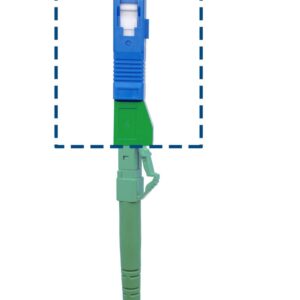
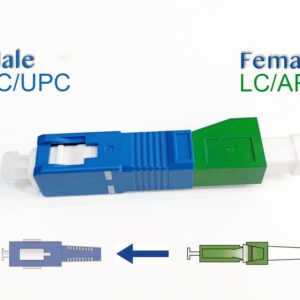
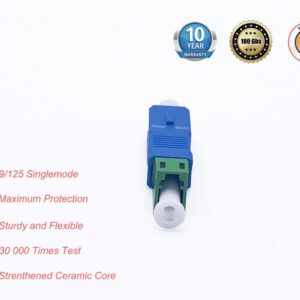
Adaptateur à Fibre Optique Câble Monomode Simplex LC/APC Femelle à SC/UPC Mâle, Lot de 1
4 comments Le prix initial était : 19,99 €.14,99 €Le prix actuel est : 14,99 €. +
PLC splitters — optical dividers for FTTH and PON
Divide an optical signal into multiple outputs without any power supply. PLC (Planar Lightwave Circuit) technology for uniform, reliable distribution.
PLC technology — why it's the standard
- Uniform distribution: each output receives the same optical power (uniformity < 1.2 dB).
- Wide bandwidth: 1260–1650 nm — compatible with GPON, XGS-PON, EPON.
- Available ratios: 1:2, 1:4, 1:8, 1:16.
- Reliability: compliant with Telcordia GR-1209 / GR-1221, range -40°C to +85°C.
- Field applications: FTTH, PON, video surveillance, multi-point distribution in buildings.
Typical losses per ratio — choose by your optical budget
| Ratio | Loss (dB) | Typical use |
|---|---|---|
| 1:2 | ~3.5 dB | Dual feed, line testing |
| 1:4 | ~7 dB | Small building, SME (4 subscribers) |
| 1:8 | ~10.5 dB | Medium building, campus |
| 1:16 | ~13.5 dB | Large building, dense FTTH |
Products — PLC splitters
-
Promo !

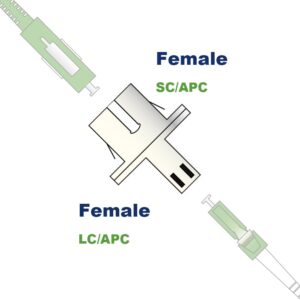
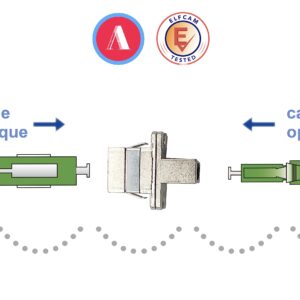
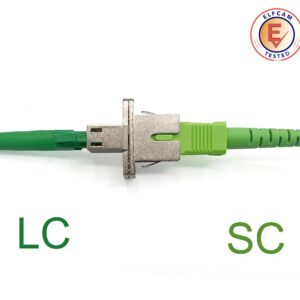
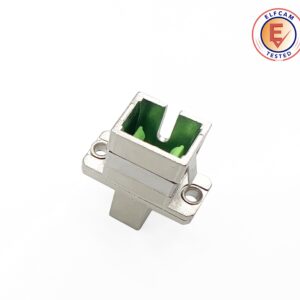
Elfcam® – Adaptateur/Coupleur pour Câble Fibre Optique SC/APC Femelle à LC/APC Femelle Monomode Simplex 9/125μm (Lot de 1)(REF:11743)
1 comments Lot 1 Le prix initial était : 21,99 €.15,99 €Le prix actuel est : 15,99 €. + Ce produit a plusieurs variations. Les options peuvent être choisies sur la page du produit -
Promo !
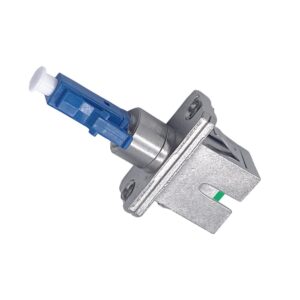
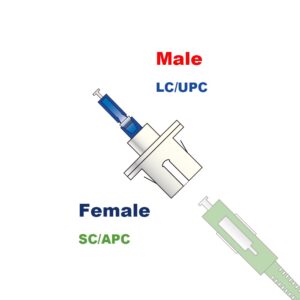
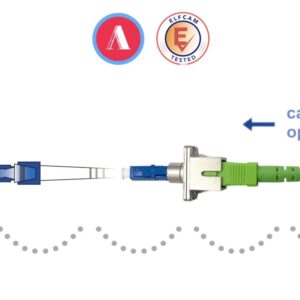
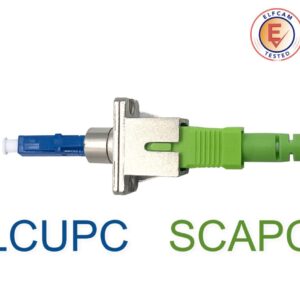
Elfcam® – Adaptateur à Fibre Optique Câble Monomode Simplex LC/UPC Male à SC/APC Female, Lot de 1 (REF: 17408)
2 comments Le prix initial était : 24,99 €.14,99 €Le prix actuel est : 14,99 €. + -
Promo !
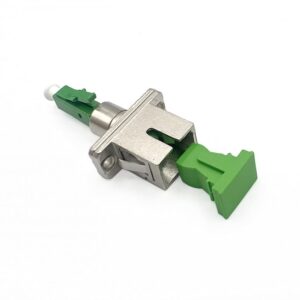
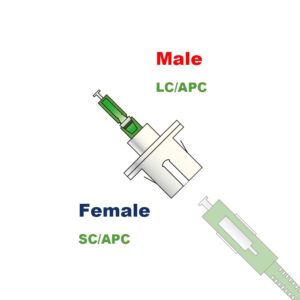
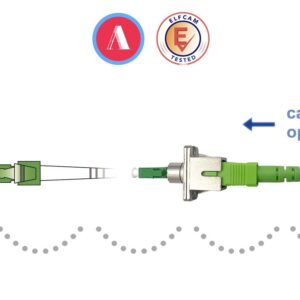
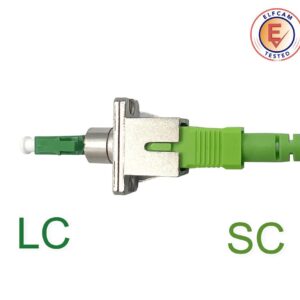
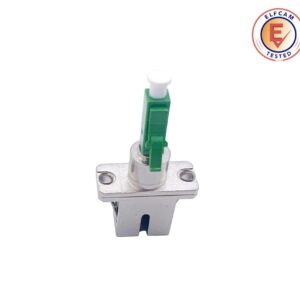
Elfcam® – Adaptateur à Fibre Optique Câble Monomode Simplex SC/APC Femelle à LC/APC Mâle, Lot de 1(REF:13846)
2 comments Le prix initial était : 21,99 €.15,99 €Le prix actuel est : 15,99 €. + -
Promo !

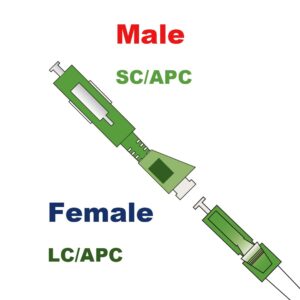
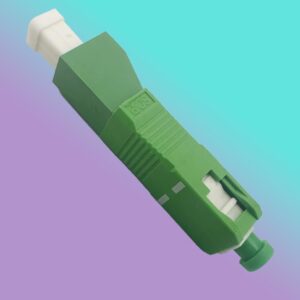
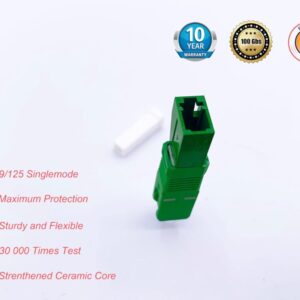
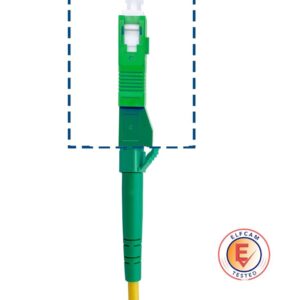
Elfcam® – Adaptateur/Coupleur pour Câble Fibre Optique LC/APC Femelle à SC/APC Male Monomode Simplex 9/125μm (Lot de 1)(REF:13855)
2 comments Le prix initial était : 21,99 €.15,99 €Le prix actuel est : 15,99 €. + -
Promo !

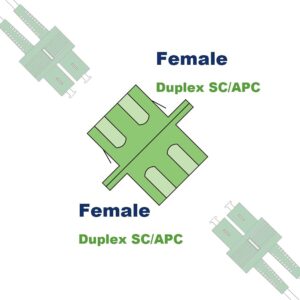
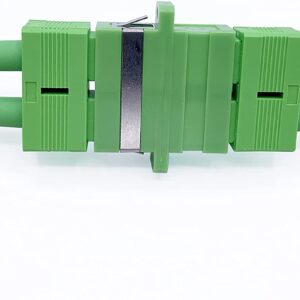
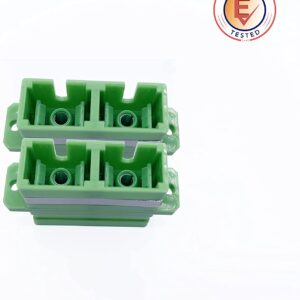
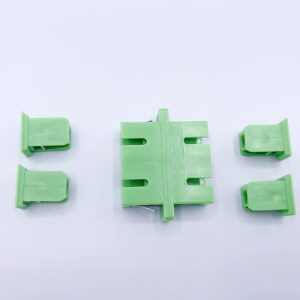
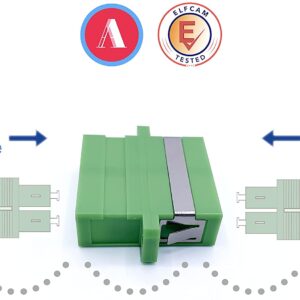
Adapteur/Connecteur pour fibres optiques (Lot de 5, SC-SC APC Monomode Duplex) (Ref:3061)
2 comments Lot 5 Le prix initial était : 19,99 €.17,99 €Le prix actuel est : 17,99 €. + Ce produit a plusieurs variations. Les options peuvent être choisies sur la page du produit
Fibre optic pigtails — termination by fusion splicing
Short cables pre-connectorised on one side, bare fibre on the other. They are fusion-spliced onto the main cable to add an SC, LC or FC connector.
Technical characteristics
- 9/125 µm singlemode fibre (OS2) — international telecom standard.
- Connectors: SC/APC, SC/UPC, LC/UPC, LC/APC, FC/UPC.
- Length: 1 m or 1.5 m depending on model.
- Jacket: 0.9 mm or 2.0 mm — flexible, easy to coil in splice cassettes.
- Packaging: pack of 6 or 12 pigtails — ready for the field.
When to use a pigtail on site?
Fibre cable laid without a connector → splice a pigtail to add an SC/APC or LC/UPC at each end.
Broken or damaged fibre → splice a pigtail to restore the connection quickly.
Required tool: fibre optic fusion splicer. Splice loss < 0.05 dB — a permanent, reliable connection.
Products — Fibre optic pigtails
-
Promo !
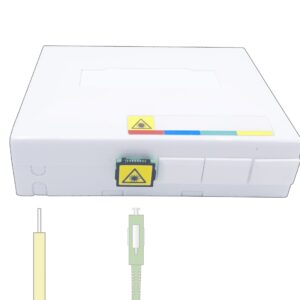
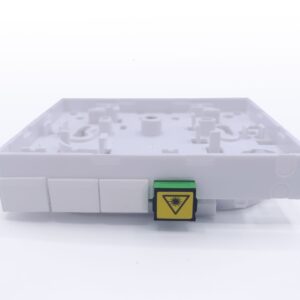
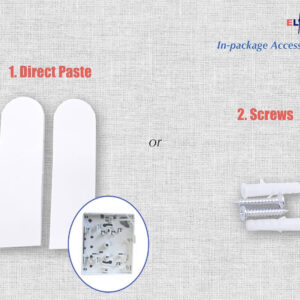
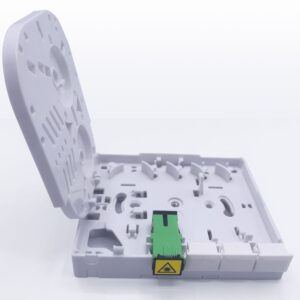
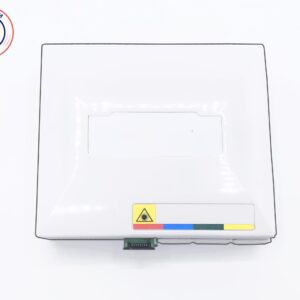
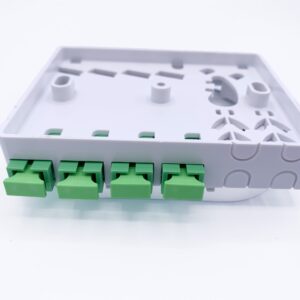
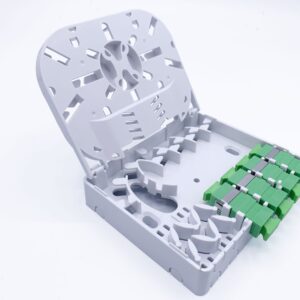
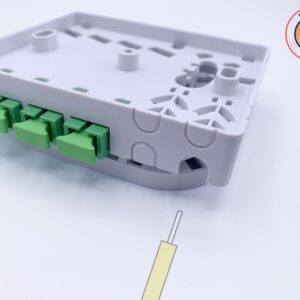
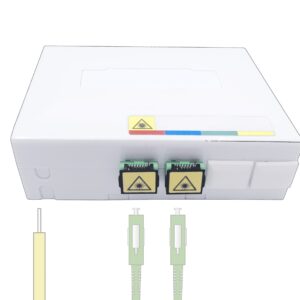
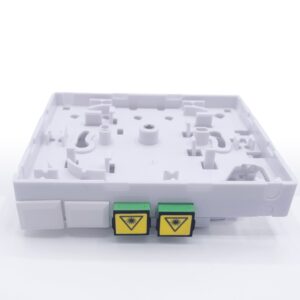
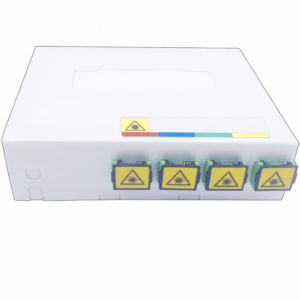
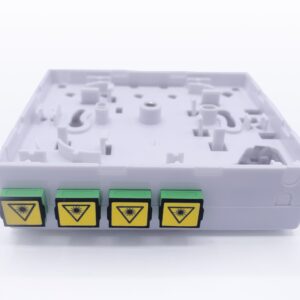
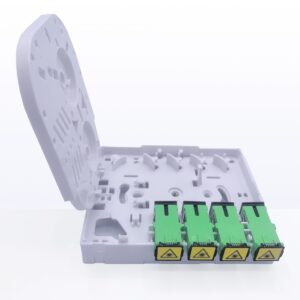
Prise Terminale Optique (PTO) à interface SC/APC (1 port, 2 ports et 4 ports) (Ref:2658)
20 comments 1port – 4ports Le prix initial était : 14,99 €.10,99 €Le prix actuel est : 10,99 €. + Ce produit a plusieurs variations. Les options peuvent être choisies sur la page du produit -
Promo !
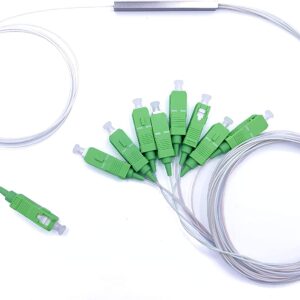
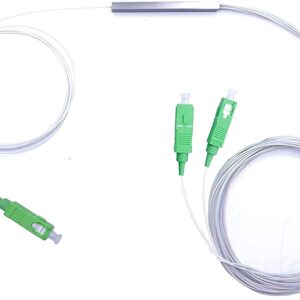
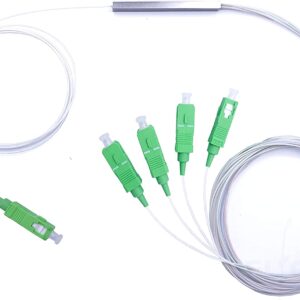
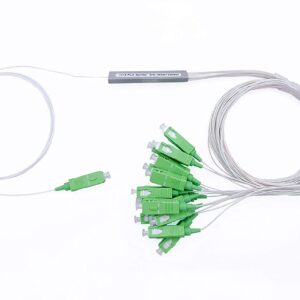
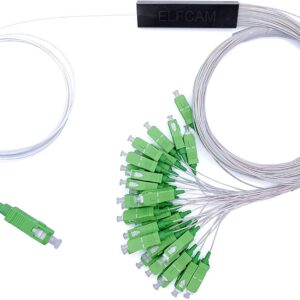
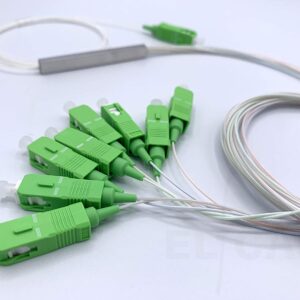
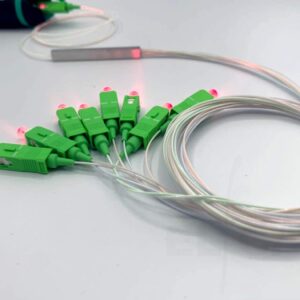
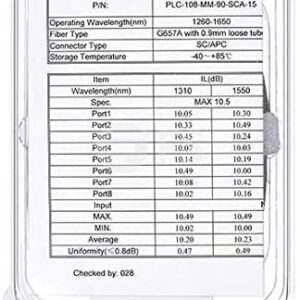
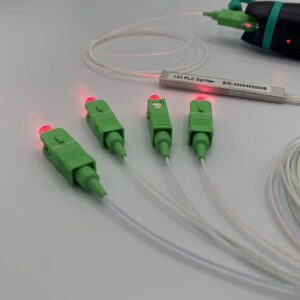
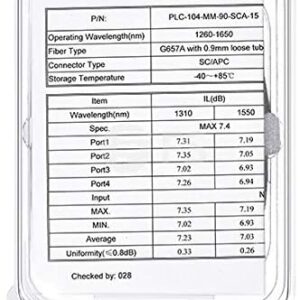
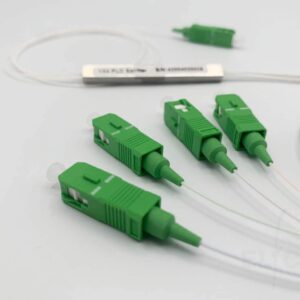
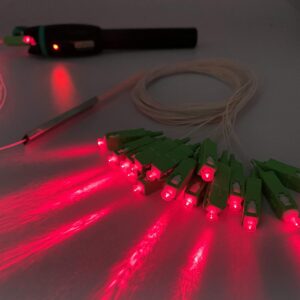
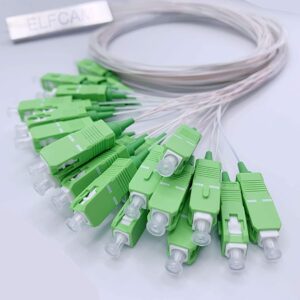
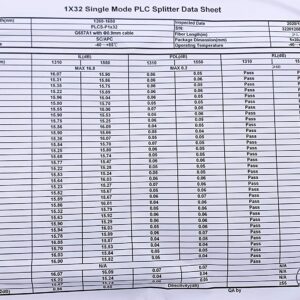
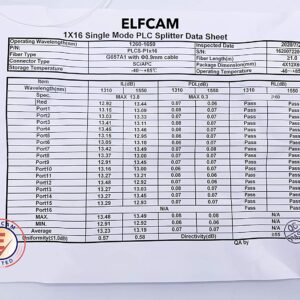
Séparateur Optique de Fibre Monomode de PLC de SC/APC (2-4-8-16-32 Connecteurs) (Ref:2664)
16 comments 1×2 – 1×32 Le prix initial était : 12,99 €.11,99 €Le prix actuel est : 11,99 €. + Ce produit a plusieurs variations. Les options peuvent être choisies sur la page du produit -
Promo !
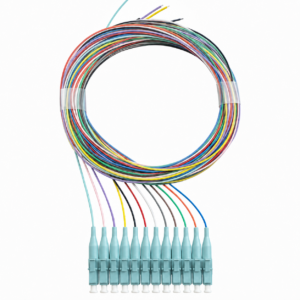
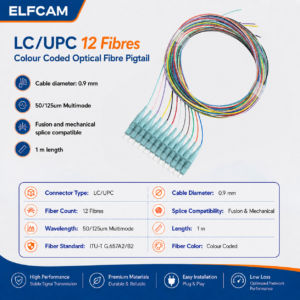
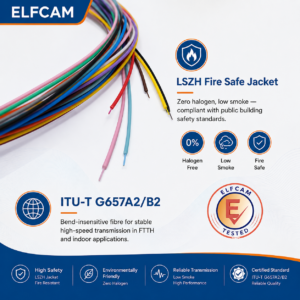
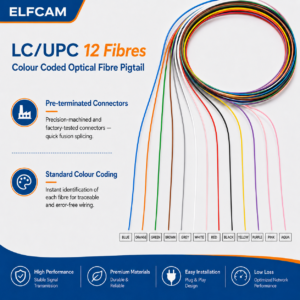
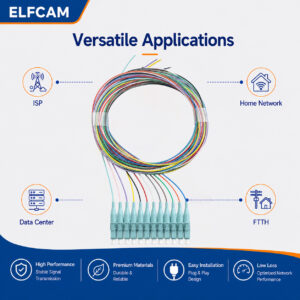
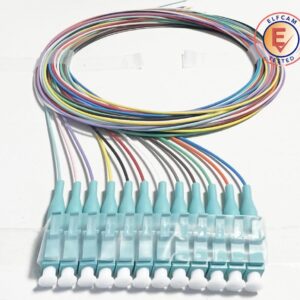
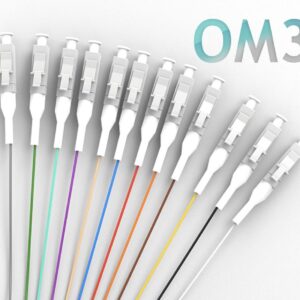
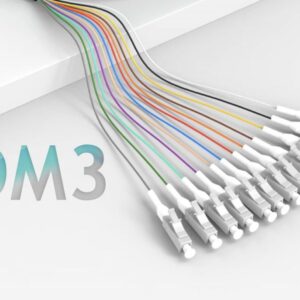
Pigtail à Fibre Optique à Code Couleur 12 Fibres LC/UPC OM3 Multimode 50/125um sans Gaine (REF:13999)
3 comments Le prix initial était : 24,99 €.19,99 €Le prix actuel est : 19,99 €. + -
Promo !
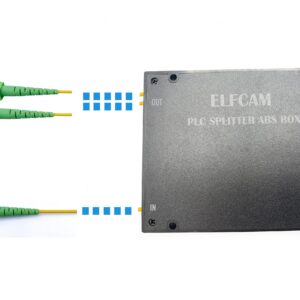
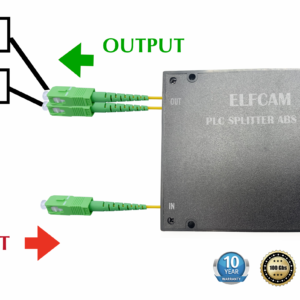
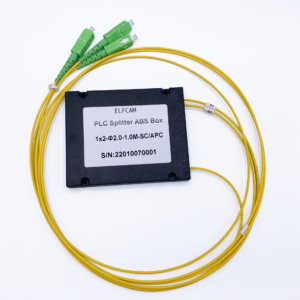
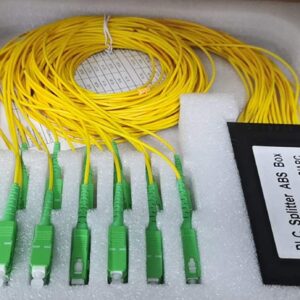
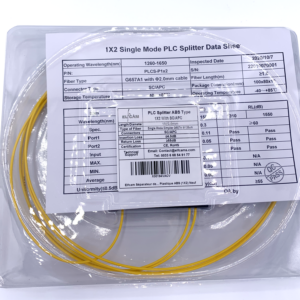
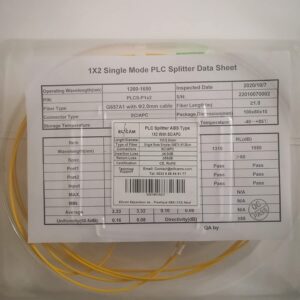
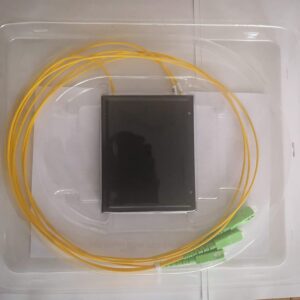
SC/APC PLC Singlemode-Glasfaser-Splitter (1×X) mit ABS-Kunststoffgehäuse (Ref:1856)
4 comments 1×2 – 1×16 Le prix initial était : 18,99 €.16,99 €Le prix actuel est : 16,99 €. + Ce produit a plusieurs variations. Les options peuvent être choisies sur la page du produit -
Promo !

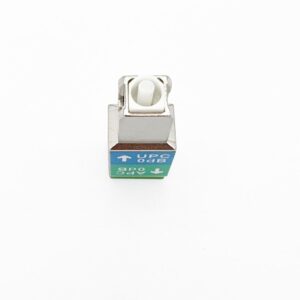
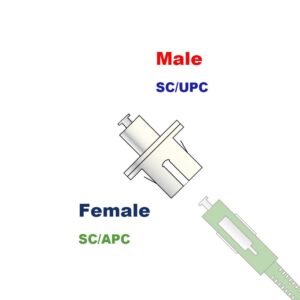
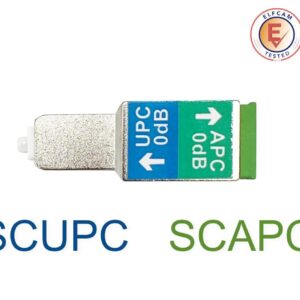
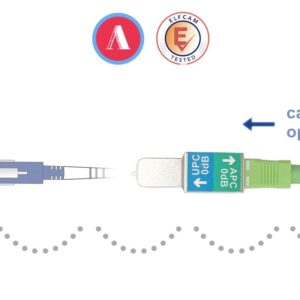
Elfcam® – Adaptateur à Fibre Optique Câble Monomode Simplex SC/APC Female à SC/UPC Male, Lot de 1 (Ref: 18179)
2 comments Le prix initial était : 12,99 €.9,99 €Le prix actuel est : 9,99 €. +
Fibre optic termination boxes & trays
Protect splices and organise fibre connections. Wall-mount or 19-inch rack mount.
Types of termination boxes
- Compact, discreet
- 2 to 12 fibres
- Ideal for home / small office / technical room
- 1U, high density
- 12 to 24 ports
- Network room / telecom cabinet
Key features for technicians
- Splice protection: built-in cassettes to safely store fibre splices.
- Slack management: bend radius respected to avoid additional losses.
- Maintenance access: removable cover for quick intervention without full disassembly.
- Compatibility: accepts SC, LC, FC, ST adapters in standard cut-outs.
See also: 19" cabinets & racks for network room mounting.
Products — Termination boxes
-
Promo !
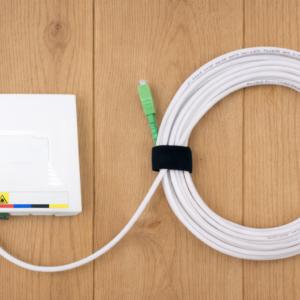
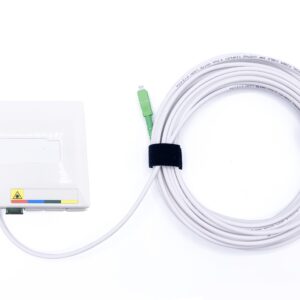
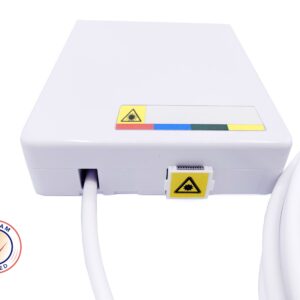
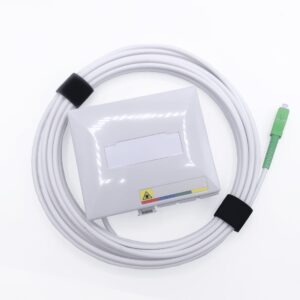
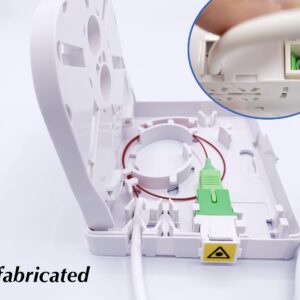
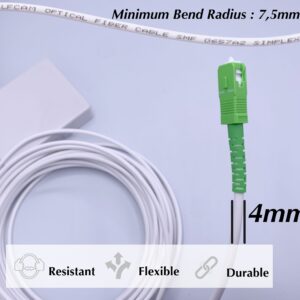

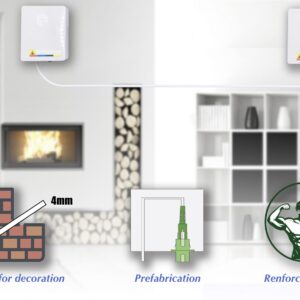
Cable Fibre Optique SC/APC AVEC un PTO (Ref:3689)
46 comments 7M – 45M Le prix initial était : 19,99 €.16,99 €Le prix actuel est : 16,99 €. + Ce produit a plusieurs variations. Les options peuvent être choisies sur la page du produit -
Promo !
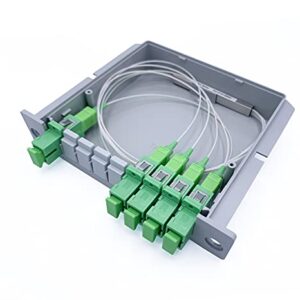
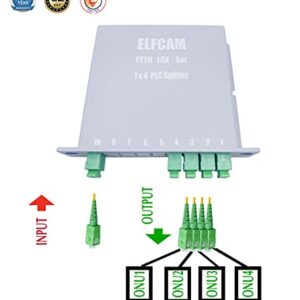
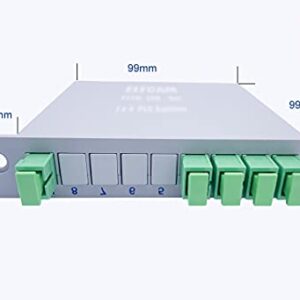
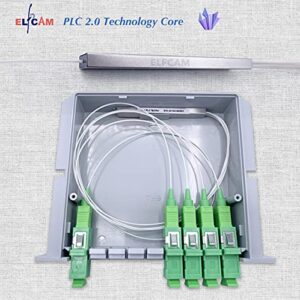
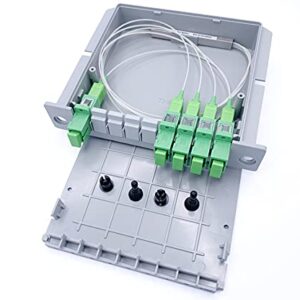
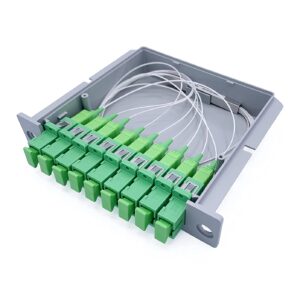
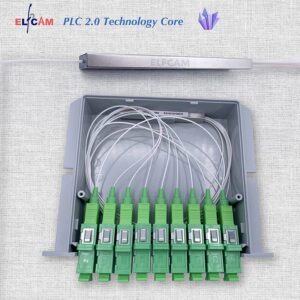
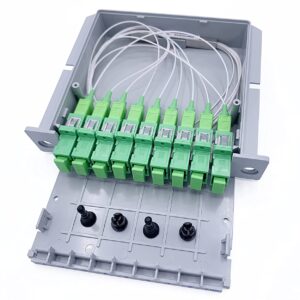
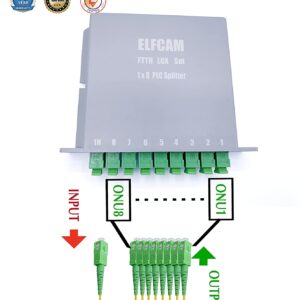
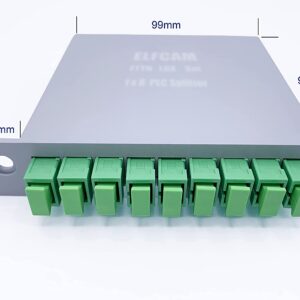
Séparateur de Fibres Optiques (PLC Splitter) Type LGX 1*4,1*8 (Ref:3333)
11 comments 1×4 – 1×8 Le prix initial était : 29,99 €.24,99 €Le prix actuel est : 24,99 €. + Ce produit a plusieurs variations. Les options peuvent être choisies sur la page du produit -
Promo !
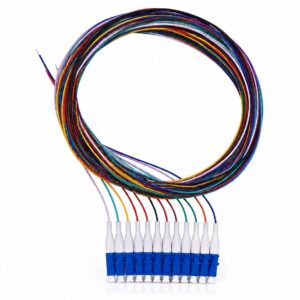
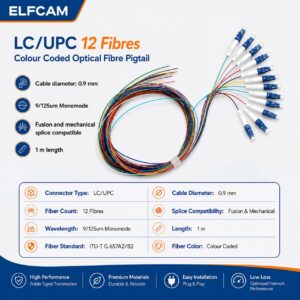
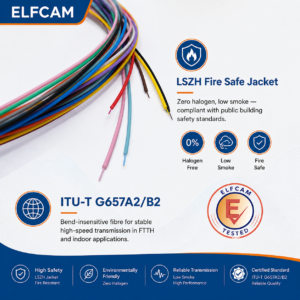
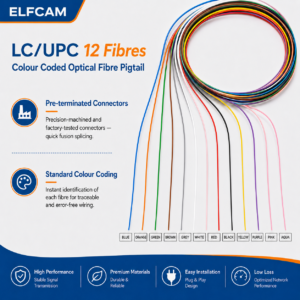
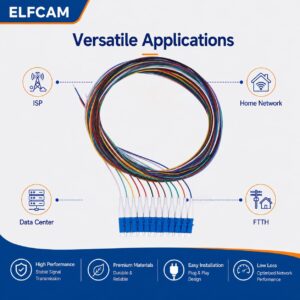
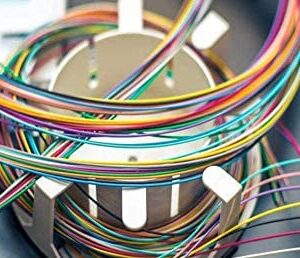
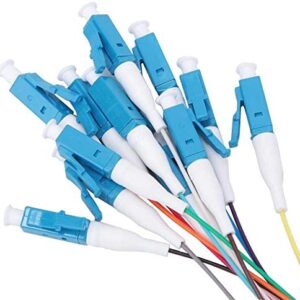
Pigtail à Fibre Optique à Code Couleur 12 Fibres LC/UPC Monomode sans Gaine (Ref:3287)
13 comments Le prix initial était : 19,99 €.15,99 €Le prix actuel est : 15,99 €. + -
Promo !
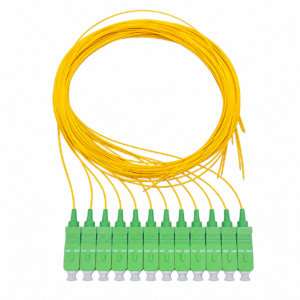
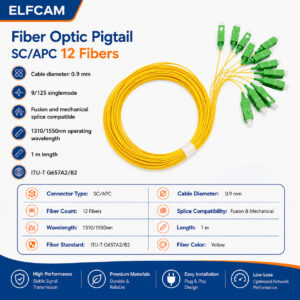
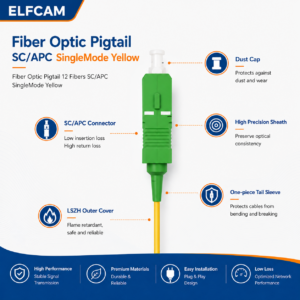
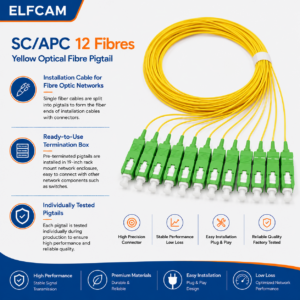
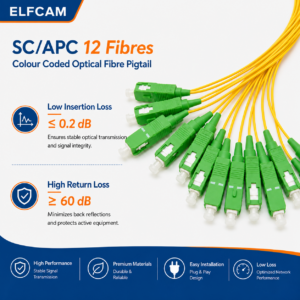
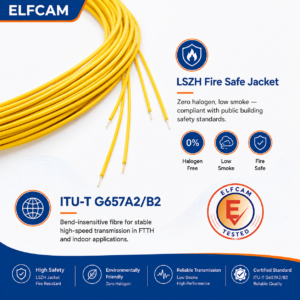
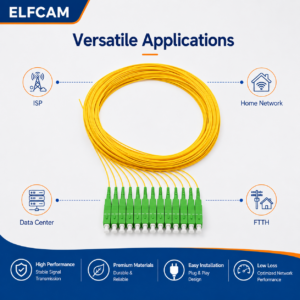
Pigtail à Fibre Optique à Code Jaune 12 Fibres SC/APC Monomode sans Gaine (Ref:4219)
6 comments Le prix initial était : 24,99 €.14,99 €Le prix actuel est : 14,99 €. + -
Promo !
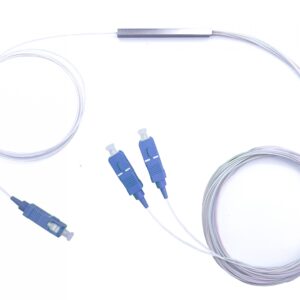
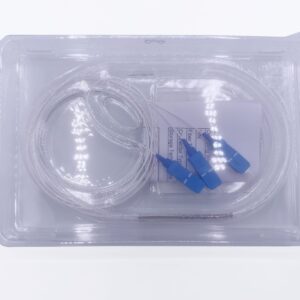
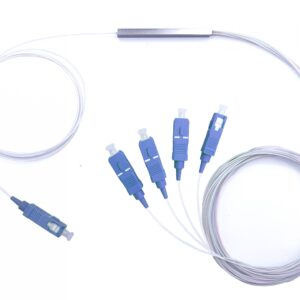
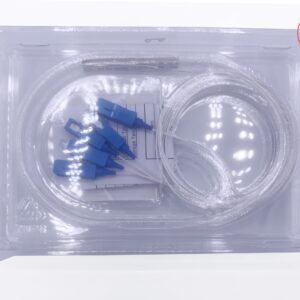
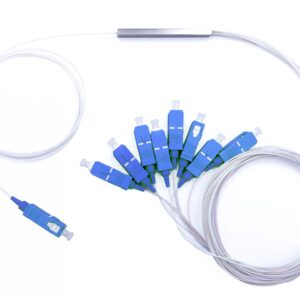
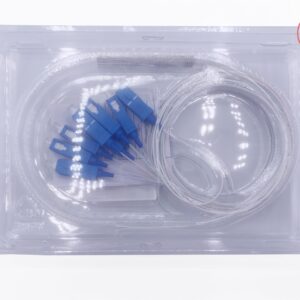
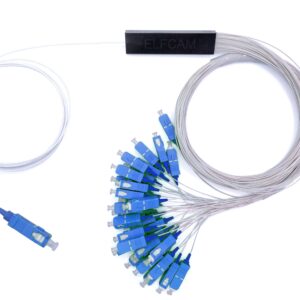
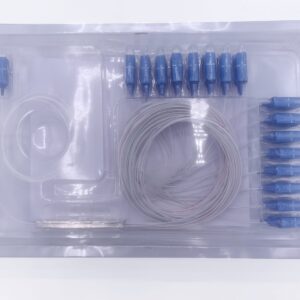
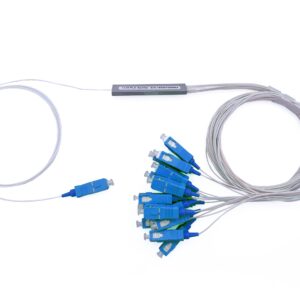
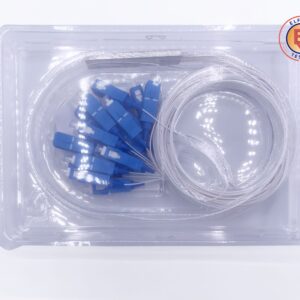
Séparateur de Fibres Optique, Splitteur Optique de Fibre Monomode de PLC ( SC/UPC) (Ref:6440)
4 comments 1×2 – 1×32 Le prix initial était : 14,99 €.12,99 €Le prix actuel est : 12,99 €. + Ce produit a plusieurs variations. Les options peuvent être choisies sur la page du produit -
Promo !
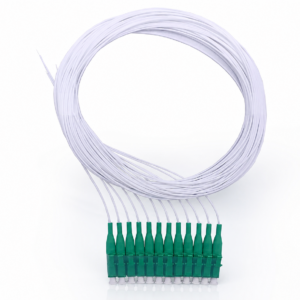
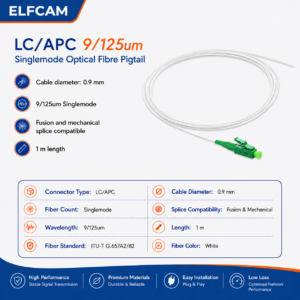
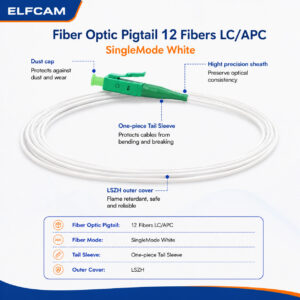
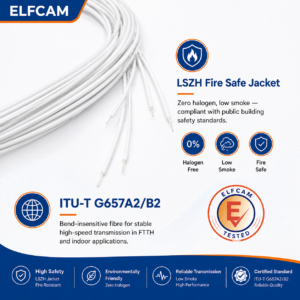
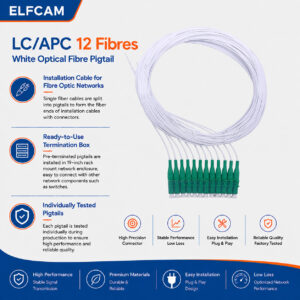
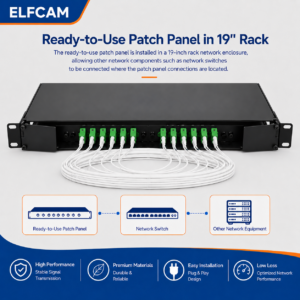
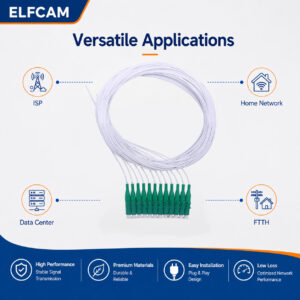
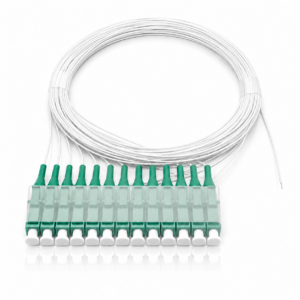
Pigtail à Fibre Optique à Code Blanc 12 Fibres LC/APC Monomode sans Gaine (Ref:4225)
2 comments Le prix initial était : 24,99 €.14,99 €Le prix actuel est : 14,99 €. +
Technical specifications — acceptance data
The numbers you check in the field with your OTDR or power meter.
Couplers & pigtails
- Fibre: 9/125 µm singlemode (OS2)
- Insertion loss: < 0.2 dB (coupler) / < 0.3 dB (pigtail)
- Return loss: APC ≥ 60 dB / UPC ≥ 50 dB
- Durability: > 1000 insertions without degradation
- Sleeve: zirconia (high-precision ceramic)
- Temperature: -40°C to +85°C
PLC splitters
- Technology: PLC (Planar Lightwave Circuit)
- Bandwidth: 1260–1650 nm
- Uniformity: < 1.2 dB
- Directivity: ≥ 55 dB
- PDL: < 0.2 dB
- Temperature: -40°C to +85°C
- Compliance: Telcordia GR-1209 / GR-1221
FAQ — Fibre optic accessories
1What's the difference between APC (green) and UPC (blue)?
2Simplex or duplex coupler: how to choose?
3Which PLC splitter ratio should I choose for my project?
- 1:2 (~3.5 dB): testing, dual feed.
- 1:4 (~7 dB): small building, SME.
- 1:8 (~10.5 dB): medium building, campus.
- 1:16 (~13.5 dB): dense FTTH — make sure your OLT has enough margin.
4Do I need a fusion splicer to install a pigtail?
5How many fibres can a termination box hold?
6Are Elfcam couplers compatible with all patch panels?
7SC, LC, FC, ST — which one to use?
- SC: the most common in FTTH and media converters (push-pull, robust).
- LC: standard in switches, SFPs and modern network equipment (compact, high density).
- FC: instrumentation, industrial environments, critical links (screw-on).
- ST: older standard, still found in some existing installations (bayonet).