FTTC vs FTTP : what's the difference and why it matters ?
Contents
FTTP (Fiber to the Premises) and FTTC (Fiber to the Cabinet) are two fibre deployment methods that are often confused in operator offers. The difference : with FTTP, the fibre runs all the way to your home ; with FTTC, it stops at the street cabinet, and the rest runs over traditional copper.
This gap directly determines the real-world speeds, the stability and the future-proofness of your connection. This guide explains everything so you can make the right subscription choice.
What is FTTP ?
FTTP (Fiber to the Premises), also called FTTH (Fiber to the Home), is a 100% fibre optic connection from the Internet service provider (ISP) to your home or office. No copper segment is involved in the link.
Characteristics :
- Fibre optic cable end to end
- Speeds 1 to 10 Gbps symmetric (XGS-PON) or asymmetric (GPON)
- Latency < 5 ms typically
- Stability independent of the distance to the DSLAM
- Future-proof : installed fibre lasts 30+ years
FTTP/FTTH is the current standard for new deployments in France. It's what Orange Fibre, Free, SFR Box Fibre and Bouygues B&You Fibre sell when they mention "Fibre".
What is FTTC ?
FTTC (Fiber to the Cabinet) is a hybrid solution : the fibre optic is run to a street cabinet (usually 100-500 m from the home), then the signal travels over the existing VDSL copper wires to the subscriber.
Characteristics :
- Fibre to the street cabinet (operator sub-distribution point)
- VDSL2 copper between the cabinet and the home
- Speeds 30 to 100 Mbps depending on distance to the cabinet
- Variable latency (10-30 ms)
- Performance degraded by distance and humidity
- DLM (Dynamic Line Management) system to stabilise
In France, FTTC is less common than in the United Kingdom — French operators have invested heavily in pure FTTH since 2015. FTTC is still found in some rural areas under the name VDSL2 or "fibre" in quotation marks.
What FTTC and FTTP have in common
- Both use fibre optics over part of the path
- Both are marketed under the label "high-speed Internet" by ISPs
- Both enable IPTV, VoIP and HD/4K streaming
- Both require an operator box or ONT at home
Key differences FTTC vs FTTP
| Criterion | FTTP / FTTH | FTTC / VDSL2 |
|---|---|---|
| Fibre link | 100% to the home | To the street cabinet |
| Final link | Fibre | VDSL2 copper (10-500 m) |
| Max download speed | 1-10 Gbps | 100 Mbps |
| Max upload speed | 1-10 Gbps (XGS-PON) | 20 Mbps |
| Latency | 2-5 ms | 10-30 ms |
| Stability | Excellent, distance-independent | Variable with distance & humidity |
| Sensitivity to interference | None | High (copper) |
| Operator cost | High (install CAPEX) | Moderate (reuses copper) |
| Subscriber cost | 30-60 €/month | 25-40 €/month |
| Future-proof | 30+ years | 5-10 years (copper ages) |
Speeds compared in practice
Effect of distance on FTTC
Over VDSL2 copper :
- 0-100 m from the cabinet : 80-100 Mbps
- 100-300 m : 50-80 Mbps
- 300-500 m : 30-50 Mbps
- 500-1000 m : 15-30 Mbps
- > 1000 m : 5-15 Mbps (close to ADSL)
With FTTP, distance does not affect the speed : 1 Gbps stable at 5 km from the OLT just as at 100 m. That's the major advantage of pure fibre.
Pros and cons
FTTP / FTTH
Advantages :
- Very high and symmetric speeds (1-10 Gbps)
- Perfect stability, low latency
- No electromagnetic interference
- Future-proof for 25-30 years
- Ideal for remote work, gaming, 4K/8K streaming
Disadvantages :
- Higher initial installation cost for the operator
- Availability depends on the eligible area
- Connection works required
FTTC / VDSL2
Advantages :
- Reuses the existing copper infrastructure
- Faster deployment in moderately dense areas
- Slightly lower subscription cost
- Available more widely than FTTH (notably the United Kingdom, some rural areas)
Disadvantages :
- Limited speeds (max 100 Mbps)
- Performance degraded by distance
- Copper sensitive to humidity and ageing
- Not suited to 4K usage, competitive gaming, intensive remote work
Which one to choose ?
In 2026, the choice is simple :
- If FTTH/FTTP is available where you live → choose it without hesitation, even if the subscription is slightly more expensive
- If only FTTC is available → it's better than nothing (traditional ADSL), but ask your operator when FTTH will arrive in your area
- For an SME → demand dedicated FTTH (pro offer with a guaranteed SLA)
Check your FTTH eligibility on your operator's website or via ARCEP (the French regulatory authority).
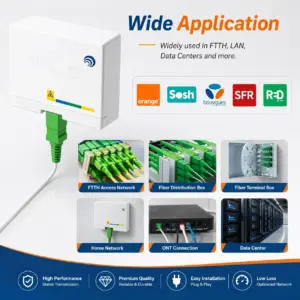
Elfcam equipment for FTTH installation at home
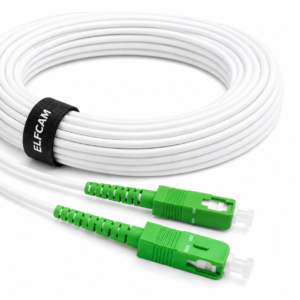
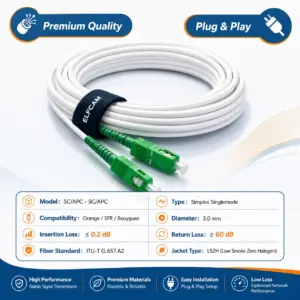
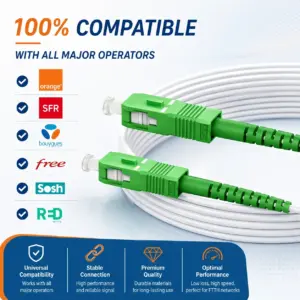
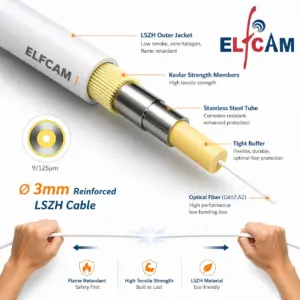
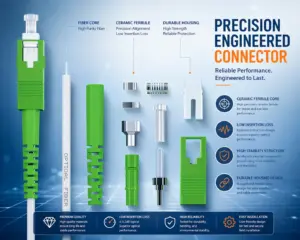
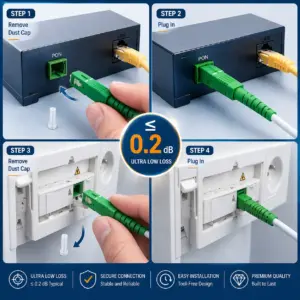
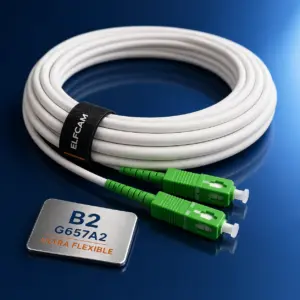
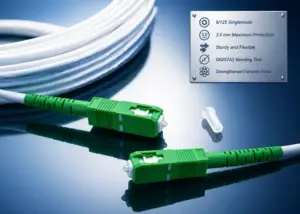
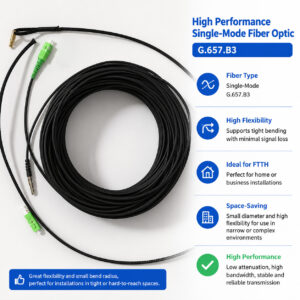
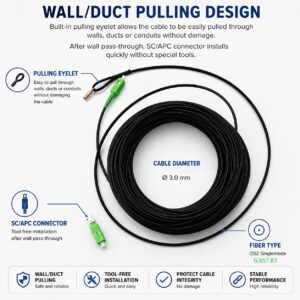
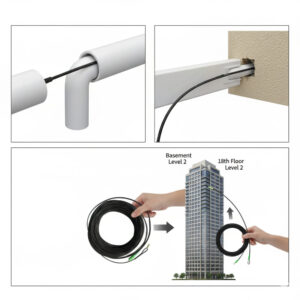
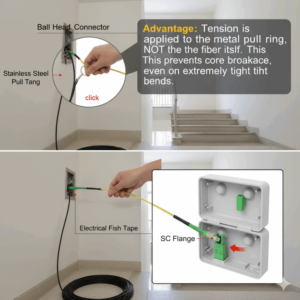
- SC/APC patch cords to connect your PTO to the box (5/10/20/30 m)
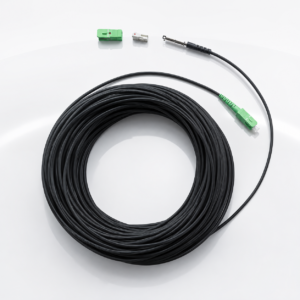
- Replacement PTO if yours is damaged
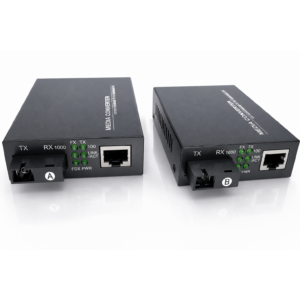
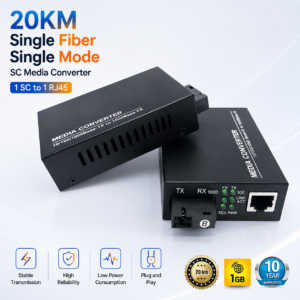
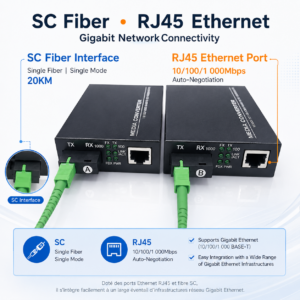
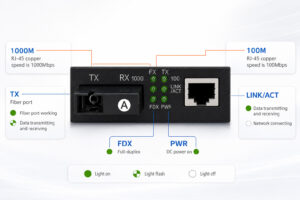
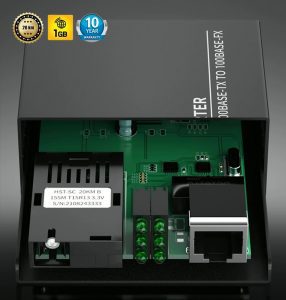
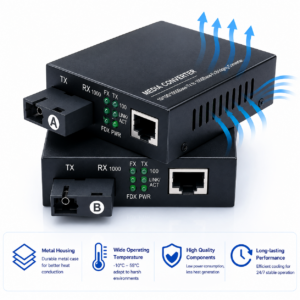
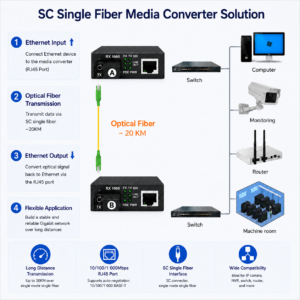
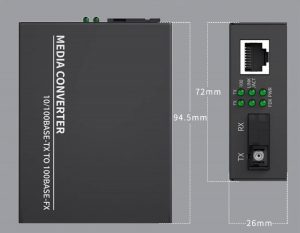
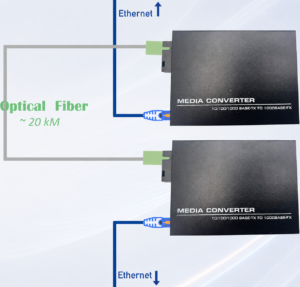
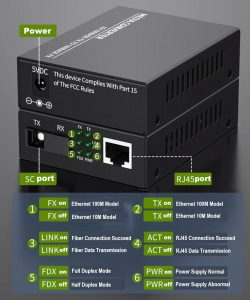
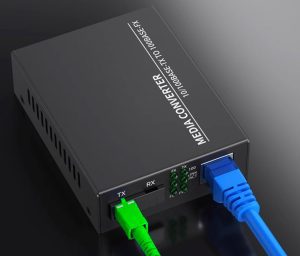
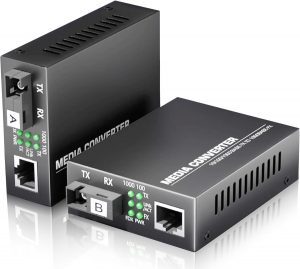
- Fibre Ethernet converters to extend the network beyond 100 m
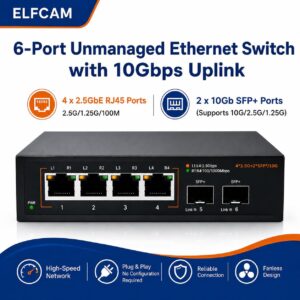
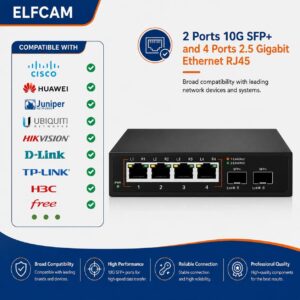
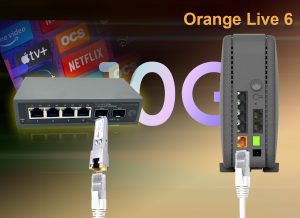
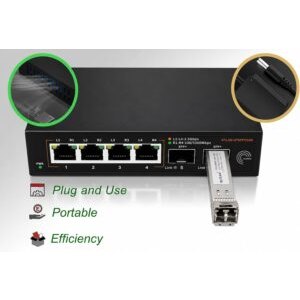
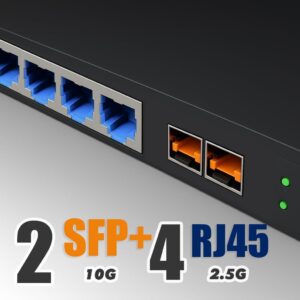
- 10G switches compatible with Freebox Ultra and Livebox
FAQ — FTTC vs FTTP
1FTTH or FTTP : what's the difference ?
2Is FTTC really "fibre" ?
3Why does FTTC still exist ?
4How long does it take to move from FTTC to FTTH ?
5With FTTH, do I need to replace my box ?
6Does remote work necessarily require FTTH ?
- 20 Mbps download (HD video)
- 10 Mbps upload (smooth screen sharing)
- Latency < 50 ms (comfortable Teams/Zoom)
7Will FTTC disappear ?
8Where to buy FTTH equipment ?
In summary
FTTP/FTTH = 100% fibre all the way to the home, the 2026+ standard. FTTC = fibre to the cabinet + final VDSL2 copper, a transitional solution on its way out. If you are eligible for FTTH, choose it without hesitation for your future connection.
To optimise your FTTH installation (patch cords, PTO, 10G switches), see our FTTH range and our fibre network range.